
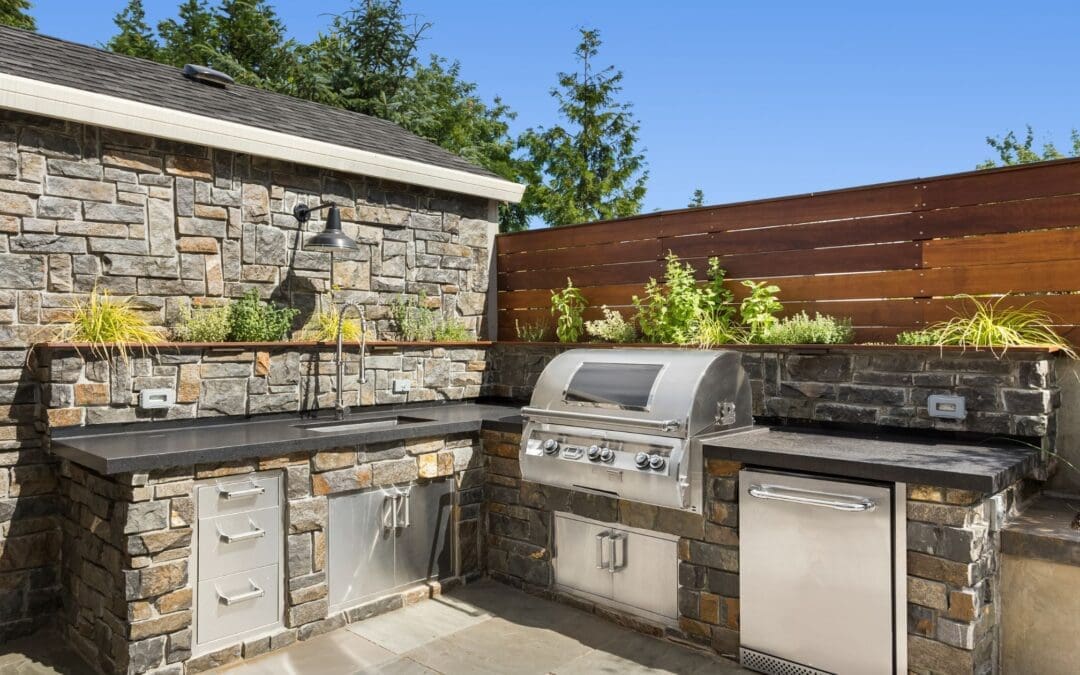
Outdoor kitchens are becoming more popular as homeowners seek to extend their living space outdoors. However, one question that often comes up is whether outdoor kitchens are waterproof. While outdoor structures are designed to be able to withstand the elements, it is essential to understand the concept of waterproofing and how it applies to outdoor kitchens.
What is the Definition of ‘Waterproof’?
Waterproofing refers to the process of preventing water from entering or penetrating a building or structure. In the context of outdoor kitchens, waterproofing is essential to ensure that the kitchen remains functional and dry all year round, regardless of weather conditions.
Waterproofing Materials
To ensure waterproofing, outdoor kitchens are constructed using a variety of materials. Here are some of the common waterproofing materials used in outdoor kitchens:
- Tiles and Paving: Outdoor kitchens often feature tiles or paving as a base flooring material. These materials are highly durable and resistant to water, making them an excellent choice for waterproofing.
- Concrete: Concrete is often used in the construction of outdoor kitchens due to its strength and durability. It is a common choice for countertops and walls, and with proper sealing, it can provide excellent waterproofing.
- Metal: Stainless steel and aluminum are commonly used in outdoor kitchen construction due to their resistance to corrosion and water. They are ideal for the construction of cabinets, appliances, and fixtures.
- Stainless Steel Appliances: When selecting appliances for your outdoor kitchen, stainless steel is a preferable choice due to its durability, water resistance, and ease of maintenance.
Waterproofing Techniques
In addition to using waterproof materials, there are some key techniques to consider when waterproofing an outdoor kitchen:
- Sealing: Regular sealing of the outdoor kitchen’s surfaces, such as countertops, walls, and floors, is essential to prevent water penetration. Sealants can be applied using a brush or spray, depending on the surface.
- Gutters and Drainage Systems: Proper drainage is crucial for waterproofing an outdoor kitchen. Gutters and drainage systems help divert water away from the kitchen, preventing it from accumulating and causing damage.
- Waterproof Lighting and Electrical Components: Waterproof lighting fixtures and electrical connectors are essential for outdoor use. These components help protect the electrical system from exposure to water, reducing the risk of short circuits and damage.
- Covers: Consider adding covers or canopies over your outdoor kitchen to protect it from heavy rainfall and direct sunlight. This can help reduce the risk of water seepage and provide shade for food preparation.
Summary
While outdoor kitchens are not completely waterproof, they are designed to withstand exposure to the elements. By using waterproof materials and employing proper waterproofing techniques, homeowners can ensure that their investment remains functional and protected from water-related damage.
By following these guidelines, you can enjoy peace of mind and make the most of your outdoor kitchen all year round. If you have any questions or need advice, feel free to contact us by phone on 01202 666 795 or via email at info@wessexspas.com. We have a range of outdoor kitchens for sale to suit all budgets.